Introduction
In the ever-evolving landscape of education and learning, the safety and security and health of pupils remain paramount. As educators, having a solid understanding of emergency treatment is not simply beneficial; it's crucial. This write-up, Building Educator Confidence in Emergency Treatment: Training and Resources, intends to equip educators with the understanding and skills essential to properly reply to emergencies. By diving right into various elements of first aid training, sources readily available, and best methods, we will work together to foster a society of safety and security within educational settings.
Building Instructor Self-confidence in Emergency Treatment: Training and Resources
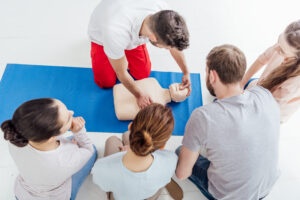
When it concerns providing first aid in instructional atmospheres, self-confidence is key. Educators commonly discover themselves on the cutting edge during emergency situations-- be it a play area mishap or a medical event like a bronchial asthma attack. The HLTAID012 Provide First Aid in Education program outfits instructors with critical abilities ranging from fundamental wound administration to more complex procedures such as child defibrillation guidance.
Understanding HLTAID012 Qualification Australia
The HLTAID012 accreditation is specifically customized for those working in academic settings. It covers important topics like:
- Recognising asthma symptoms Managing minor wounds Choking prevention Epipen administration
This thorough training makes sure that educators are not just experienced but also certain when confronted with emergencies.
The Relevance of Choking Avoidance Techniques
Choking incidents can occur at any moment, particularly amongst young kids who are prone to placing things in their mouths. Understanding efficient choking avoidance methods is crucial for educators. Below are some methods:
Supervision: Constantly monitor kids throughout meal times. Food Preparation: Cut food into little items that are workable for young ones. Education: Instruct youngsters about foods that pose choking hazards.By including these methods into day-to-day routines, instructors can decrease the threat of choking incidents.
Epipen Management Basics
For youngsters with severe allergies, knowing how to administer an epinephrine auto-injector (Epipen) can be life-saving. Key actions include:
Recognising Symptoms: Understand signs of an allergic reaction. Immediate Action: Administer the Epipen based on guidelines. Follow-Up: Seek emergency situation medical support quickly after administration.Training on epipen administration need to be part of any type of detailed emergency treatment program for educators.
Managing Minor Wounds Effectively
Minor wounds are common in institution environments. Understanding how to handle them properly can stop infections and problems. The adhering to actions must be taken:

Proper training on handling minor wounds aids impart confidence among teachers when responding to injuries.
Implementing Correct Hand Health Standards
Hand health is important in preventing infections, especially in child care settings where germs spread easily. Secret techniques consist of:
- Washing hands with soap and water for at the very least 20 seconds. Using hand sanitizer when soap isn't available. Teaching children concerning hand health with appealing activities.
Creating a society of sanitation not just shields students however additionally encourages teachers by minimizing illness-related absences.
Child Defibrillation Guidance
Training educators on child defibrillation is vital as cardiac emergencies can occur suddenly even among young people. Standard ideas include:
Understanding when defibrillation is necessary. Learning just how to make use of an Automated External Defibrillator (AED). Practicing circumstances including mouth-to-mouth resuscitation alongside AED usage.Equipping team with this expertise fosters self-confidence throughout high-stress scenarios, potentially saving lives.
Recognising Bronchial asthma Symptoms in Children
Asthma influences many children; hence having the ability to recognise its signs early can bring about much better administration and fewer emergency situations. Common indicators consist of:
- Wheezing Coughing Shortness of breath
Educators learnt identifying these symptoms can act promptly, making certain that influenced students obtain prompt intervention.
Addressing Play ground Mishaps via Training
Playgrounds are usually where fun satisfies crashes-- security procedures have to be established to manage incidents properly:
Regularly examine play ground tools for safety hazards. Train team on exactly how to react promptly to injuries suffered during playtime. Implement incident reporting protocols to guarantee all crashes are recorded properly.By taking these preventative measures, instructors will certainly feel extra prepared and certain when dealing with unexpected scenarios on the playground.
Childproofing Methods for Educational Settings
Creating a secure discovering environment starts with childproofing class and usual areas properly:
Remove sharp things from available areas. Secure hefty furnishings versus walls. Use non-toxic materials for arts and crafts activities.Implementing childproofing techniques not just safeguards students but likewise alleviates anxiety amongst personnel pertaining to prospective hazards.
Incident Reporting Protocols Necessary for Safety
An indispensable component of structure educator self-confidence depends on developing clear case reporting procedures:
Document every case properly making use of pre-designed forms. Notify parents regarding significant occurrences immediately. Review reports consistently for potential patterns or repeating issues.With defined protocols, personnel feel empowered understanding they have an organized way to address cases responsibly.
Understanding Immediate Reaction Responsibilities
Educators frequently face instant response duties throughout clinical emergencies-- understanding what those entail improves their preparedness:
- Assess the scenario smoothly before acting. Call emergency situation services if called for without delay. Communicate clearly with pupils regarding what's taking place at their degree of understanding.
Being proactive concerning prompt feedback duties enhances teacher confidence significantly during crises.
Balancing Created vs Practical Components in Training Programs
When it comes to emergency treatment training programs such as HLTAID012 qualification Australia, balancing written knowledge with functional application is crucial:
|Component|Relevance|| -----------------|------------|| Composed Expertise|Gives fundamental understanding|| More helpful hints Practical Abilities|Gears up individuals with hands-on experience|
Striking this balance makes certain that individuals obtain both theoretical understandings and sensible proficiency-- crucial elements in efficient emergency feedback measures.
Knowing Renewal Timelines for Certifications
First aid qualifications normally need revival every 3 years; however, knowing certain timelines based on neighborhood regulations assists educators prepare ahead:

Staying upgraded cultivates an ambience where everybody prioritizes safety similarly while improving teacher self-confidence collectively!
Baby mouth-to-mouth resuscitation Australia Guidelines
For child care employees looking after babies during emergency situations like choking or unresponsiveness, comprehending Baby mouth-to-mouth resuscitation is important! Key points consist of:
1) Inspect responsiveness carefully touching shoulder-- "Are you all right?" 2) If there's no reaction-- call emergency services instantly! 3) Start breast compressions at a rate around 100/minute followed by rescue breaths every 30 compressions until help arrives!
Introducing formal training sessions concentrating particularly on child CPR gives very useful life-saving skills while comforting caregivers they're equipped deal with such circumstances confidently!
Toddler First Aid Essentials Australia Overview
Toddlers present one-of-a-kind obstacles calling for tailored strategies toward first-aid preparedness! Necessary subjects covered consist of;
-- Acknowledgment & & Management Youth High Temperature-- Identifying Signs & first aid and cpr courses sunshine coast & Signs And Symptoms Allergic Reactions-- Methods Taking Care Of Falls & & Sprains
Tailoring material directly addressing toddler-specific requirements guarantees caregivers stay alert providing required assistance whenever required!
Childcare Centre First Aid Set Australia Requirements
Every child care facility have to keep compliant first-aid packages stocked properly according state regulations! Essentials might consist;
-- Adhesive Bandages (various sizes)-- Gauze Pads & & Tape-- Antiseptic Wipes-- Thermometers
Regularly checking inventory within these sets guarantees readiness need to emergencies develop leading in the direction of enhanced teacher confidence throughout varying circumstances ran into daily!
First Aid For Childhood High Temperature Australia Practices Explained!
Childhood high temperatures make up common occurrences triggering caregivers apply fundamental treatment methods successfully! Typical practices entail;
-- Keeping An Eye On Temperature Level Regularly-- Providing Age Appropriate Medication (e.g., Paracetamol/Ibuprofen)-- Urging Fluid Intake
Understanding processes bordering youth high temperatures prepares parents/guardians alike navigating prospective worries occurring along with preserving healthy atmospheres promoting learning experiences uninterruptedly!
Childcare Security Hazards Australia Analysis!
Awareness bordering common risks experienced within childcare settings important securing youngsters's health! Popular groups incorporate;
- Physical Threats (e.g., slippery floors) Chemical Dangers (e.g., cleansing representatives) Emotional Risks (e.g., harassing)
Conducting regular analyses determining dangers makes it possible for aggressive actions happen ultimately cultivating secure environments conducive growth expedition satisfaction discovering trips taken on together collaboratively!
Frequently Asked Inquiries (Frequently asked questions)
Q1: What does HLTAID012 cover?
HLTAID012 covers numerous aspects related to providing first aid especially tailored for instructional environments such as taking care of minor injuries, acknowledging asthma symptoms, administering epinephrine injections, and much more complex procedures like youngster defibrillation guidance.
Q2: How often must I renew my emergency treatment certification?
Typically accreditations need revival every three years; nevertheless keeping track particular timelines based local laws might vary accordingly.
Q3: What ought to I consist of in my childcare centre first-aid kit?
A certified set ought to contain fundamentals such as adhesive tapes (numerous sizes), gauze pads & & tape antiseptic wipes thermostats amongst items making sure readiness!
Q4: How can I acknowledge asthma symptoms?
Common indications include wheezing coughing shortness breath relentless upper body tightness needing speedy activity assist in prompt intervention!
Q5: What are some efficient choking avoidance techniques?
Effective techniques include guidance throughout meals reducing food right into tiny pieces instructing children about food hazards motivating open interaction pertaining to potential threats involved!
Q6: What actions do I take if a youngster chokes?
First assess whether they're able take a breath coughing speak; otherwise offer back blows stomach drives till assistance shows up guaranteeing keep calm throughout process aiding kid restore security promptly!
Conclusion
In final thought, furnishing teachers with extensive expertise pertaining to first aid with programs like HLTAID012 offers necessary devices required navigate emergency situations with confidence capably while cultivating more secure atmospheres helpful growth exploration enjoyment discovering experiences embarked on collaboratively amongst peers alike! By emphasizing correct training resources implementing finest techniques resolving prospective issues proactively we develop more powerful neighborhoods concentrated guaranteeing wellness future generations delegated our treatment eventually improving overall high quality education supplied regularly across board!